
Your Allergy Season Game Plan
How to Manage Your Symptoms This Allergy Season
For more than 80 million Americans, spring means the start of allergy season. If you suffer from seasonal allergies, you may be looking for ways to help prevent and manage your symptoms.
Let’s look at some steps you can take before, during and after allergen exposure to help you find relief.
Before: Get Ahead with a Good Plan
Oftentimes the best way to keep allergies at bay is to know when they are coming so you can nip them in the bud before they even begin.
The weather can be a good guide; windy days can stir up allergens while rain tends to dampen them. You can also keep an eye on local pollen levels so you know when you are most at risk for a bad allergy day.
If pollen counts are high in the weather forecast, you may want to limit exposure as much as possible. Try the following:
- Close doors and windows
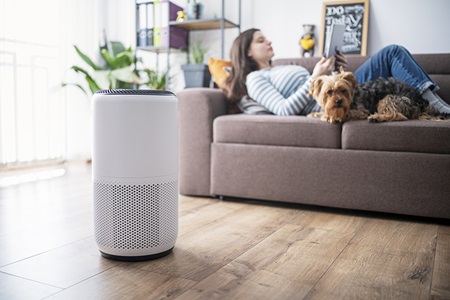
- Keep air circulating with air conditioners and/or air purifiers
- Avoid going outside during peak hours (usually afternoon and early evening)
Different types of allergens peak at different times of the year. Tree pollens tend to be highest in early spring, while grass is high in the summer and ragweed in the fall. It can be helpful to track your allergy symptoms throughout the year and speak to your primary care physician or an allergist.
During: Face Symptoms Head On
The most common symptoms associated with seasonal allergies include watery, itchy and red eyes; sneezing; runny nose; nasal congestion; cough and asthma. Here are some tips to help manage your symptoms:
- Sneezing, runny nose and nasal congestion: Oral antihistamines such as cetirizine, fexofenadine and loratadine can be used to alleviate most allergy symptoms, including sneezing and runny nose. Nasal steroid sprays and anti-histamine nasal sprays can also be helpful. A saline nasal spray can also help you flush allergens from your nasal passages. These treatments can be purchased over the counter, but talk to your provider about which one may be most effective.
- Itchy, watery and red eyes: Anti-histamine eye drops are most helpful for rapid relief of symptoms. These can also be purchased over the counter or your provider can prescribe them. Cool compresses can also be applied to the eyelids to help provide relief. If you wear contact lenses, make sure to adequately clean your lenses and minimize wear time; you can also try preservative-free artificial tears to help keep eyes moist.
- Cough and asthma: Cough and wheezing can be triggered by seasonal allergies. If you have asthma, discuss with your provider ways to manage your asthma during allergy season. This can include making sure you are using the correct inhalers and taking the right anti-histamines.
After: Wash Lingering Pollen Away
If you have been outdoors and/or exposed to allergens that cause a flare-up of your symptoms, there are several steps you can take afterward to help manage your symptoms. Showering can help remove pollen from your hair and body. Changing and washing clothes can also help remove pollen.
As unpleasant as seasonal allergies can be, most times they can be managed at home. However, some cases may require a visit to your provider. If your symptoms are not improving or if you experience concerning symptoms such as severe coughing, wheezing or shortness of breath, reach out to your care provider.
Share This Story



MyBILH Chart
Introducing MyBILH Chart, BILH’s new patient portal. View your health records, manage appointments and connect with your doctor, all in one place.


Newsletter Sign Up
Subscribe to our monthly Healthy Communities newsletter and get the latest health and wellness information delivered right to your inbox.
By providing your email address, you agree to receive emails from Beth Israel Lahey Health. You may unsubscribe at any time.